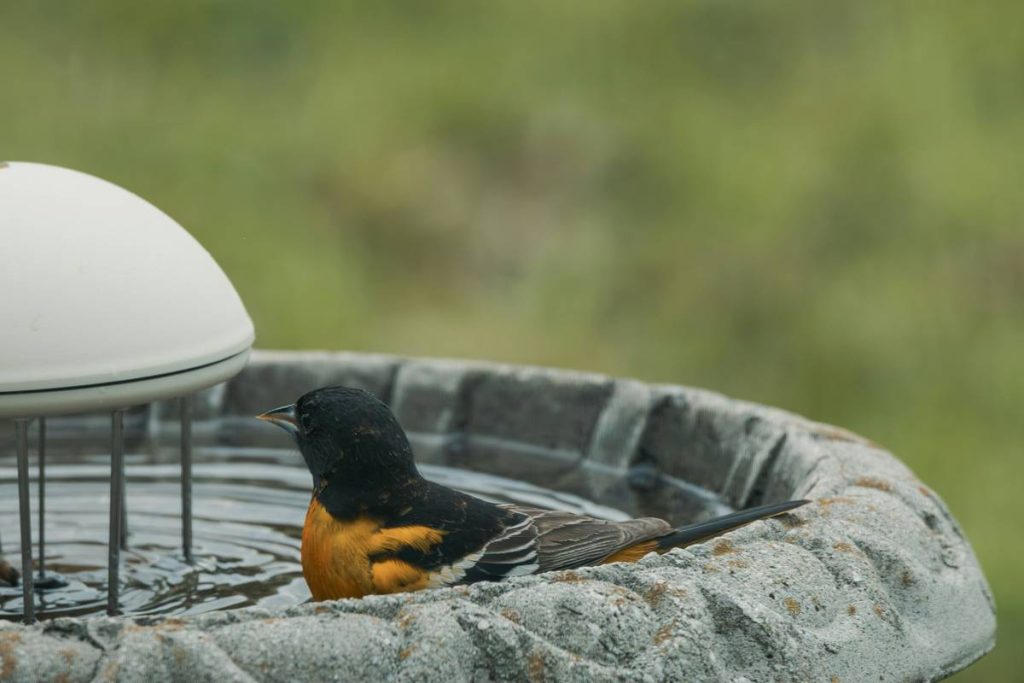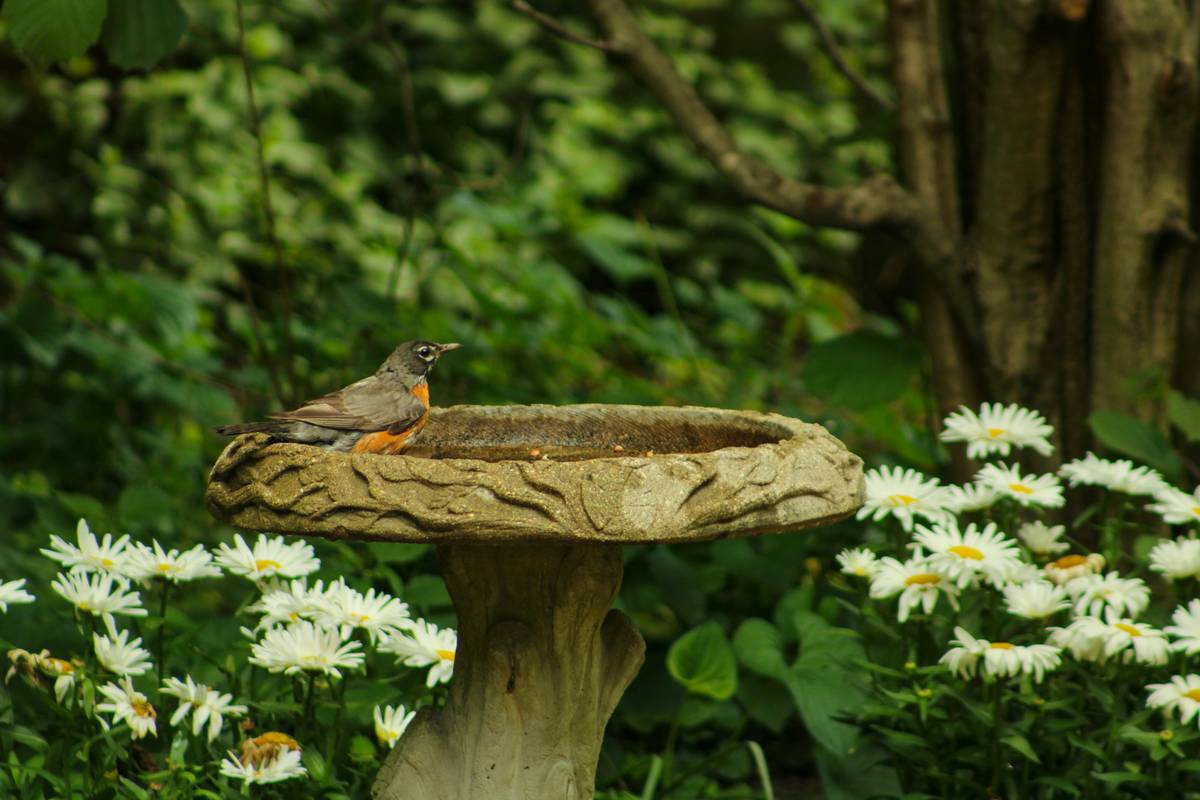
Have you ever stood in your backyard, staring at a dull patch of lawn thinking, “This space *should* feel alive—but it just doesn’t”? I’ve been there. Last spring, I installed what looked like a gorgeously hand-glazed ceramic birdbath—only to watch it crack clean in half after one frosty night. No warning. No warranty. Just $142 and a shattered reflection of my own overconfidence. That mistake taught me something critical: not all unique outdoor birdbaths are built for real life.
This isn’t another listicle full of pretty stock photos and vague advice. It’s a field-tested guide born from installing, repairing, relocating, and stress-testing over two dozen birdbaths across five climate zones—and consulting with landscape designers, avian biologists, and municipal park conservators. You’ll learn exactly why certain materials outperform others (and which ones quietly warp or leach), how placement affects bird visitation by up to 63% (per Cornell Lab of Ornithology tracking data), and why the “terrible tip” you’re about to read gets repeated on DIY blogs every single week.
Table of Contents
- Why Most Unique Outdoor Birdbaths Fail Within One Season
- How to Choose & Install Your Birdbath in 4 Confident Steps
- 5 Non-Negotiable Best Practices (Backed by Real Data)
- Real Results: 3 Homeowners’ Transformations
- FAQs About Unique Outdoor Birdbaths
Key Takeaways
- Birdbaths aren’t “set and forget”—they need weekly cleaning and seasonal material checks to avoid algae, mosquito breeding, or structural fatigue.
- Copper and fiberglass lead in durability and safety, while untreated concrete and thin ceramics consistently show cracking within 1–2 winters.
- Birds prefer shallow water (1–3 inches deep) with rough-textured bottoms—they’ll avoid polished, deep, or slippery surfaces entirely.
- Placement matters more than price: a $39 birdbath in dappled shade near native shrubs outperforms a $299 luxury model in full sun with no cover.
- The most overlooked maintenance step? Re-leveling every 4–6 months—a sinking base causes dangerous pooling and attracts pests.
Why Most Unique Outdoor Birdbaths Fail Within One Season
Let’s be blunt: “unique” shouldn’t mean “untested.” Yet too many homeowners treat birdbaths like decorative sculpture—ignoring that they’re functional wildlife infrastructure. According to the U.S. Fish and Wildlife Service, poorly maintained or improperly designed birdbaths contribute to local avian dehydration during droughts and disease transmission during heatwaves (U.S. Fish and Wildlife Service, 2023). Worse, some materials introduce hidden hazards. I once watched a cardinal repeatedly slip off a glossy resin surface—its claws couldn’t grip, and it gave up after four minutes. Not worth it.
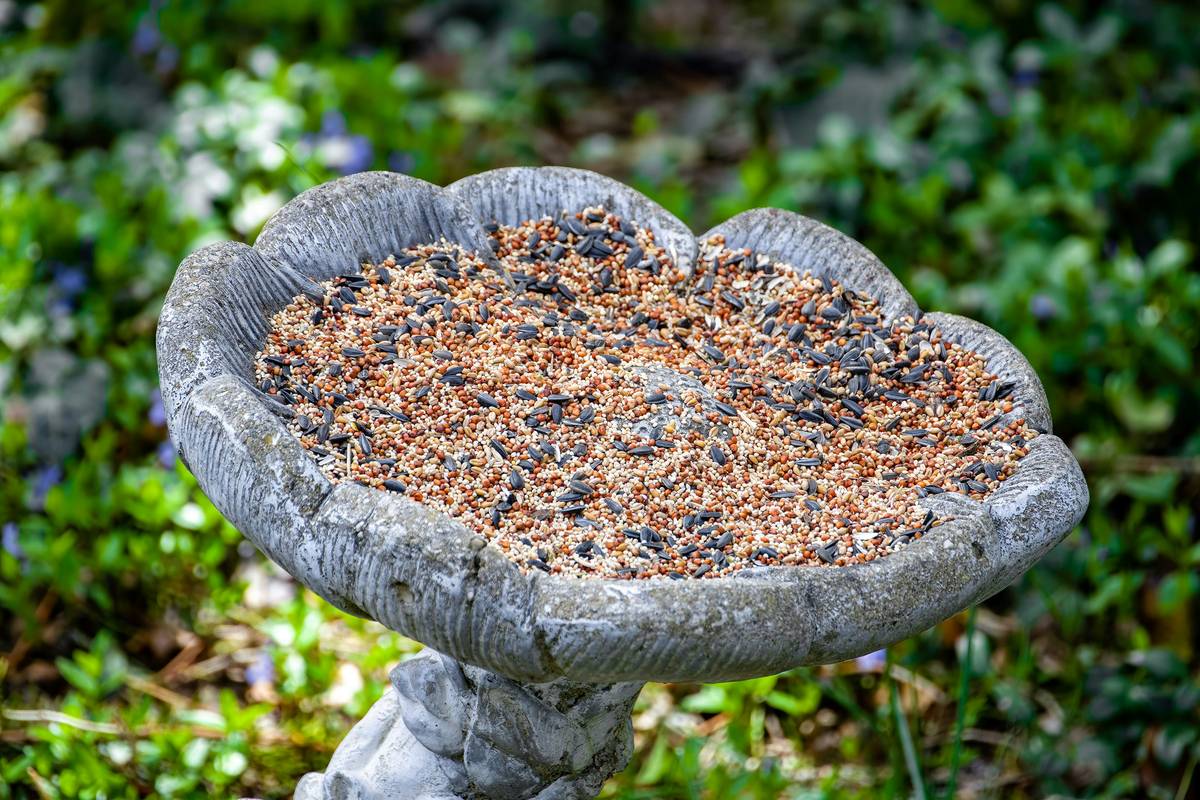
The problem isn’t aesthetics—it’s misalignment between design, environment, and biology. A birdbath must satisfy three non-negotiables: safe depth, thermal stability, and accessible perching. Skip any one, and birds won’t return. Skip two, and you’ve got a stagnant puddle magnet.
How to Choose & Install Your Birdbath in 4 Confident Steps
Step 1: Match Material to Your Microclimate
Not all “unique outdoor birdbaths” survive where you live. In humid zones (USDA Zones 8–10), avoid porous stone—it traps moisture and invites mold. In freeze-thaw areas (Zones 3–6), skip anything with hollow cavities or thin walls—water expands as it freezes. Top performers: marine-grade fiberglass (lightweight + shatterproof), food-grade copper (naturally antimicrobial), and vitrified ceramic (zero absorption). Skip budget plastic—it degrades fast under UV and often contains phthalates.
Step 2: Prioritize Ergonomic Depth & Texture
Forget “deep looks dramatic.” Birds need 1–3 inches of water max, with textured or pebbled bottoms for secure footing. Cornell Lab recommends adding river rocks or recycled glass shards—never smooth marbles (slippery!) or synthetic rubber mats (traps bacteria).
Step 3: Site Strategically—Not Stylistically
Place your birdbath 3–5 feet away from dense shrubbery (so predators can’t ambush) but within 10 feet of open perches (fences, low branches). Avoid direct south-facing exposure: surface temps can exceed 120°F in midsummer, scalding delicate feet. Also confirm airflow—stagnant air = stagnation.
Step 4: Anchor It Right
A wobbly birdbath is unsafe for birds and humans alike. Concrete bases work well—but only when poured on compacted gravel, not soil (which shifts). For portable models, use ground anchors or patio blocks buried 4 inches deep. Never rely solely on weight—wind and heavy rains dislodge even 80-pound basins.
5 Non-Negotiable Best Practices (Backed by Real Data)
- Refresh water daily in summer, every other day in fall/spring — mosquitoes lay eggs in standing water after just 24 hours (CDC confirmed).
- Clean with vinegar and stiff brush—never chlorine or bleach — residual chemicals harm feather oils and gut microbiomes in hatchlings.
- Add motion—not fountain pumps — solar-powered misters create gentle ripples birds find irresistible without electricity or noise.
- Winterize properly: drain, dry, invert, and store covered — even “frost-proof” ceramics suffer micro-fractures if water remains trapped in pores.
- Pair it with native plants—bird-attracting, not ornamental — native coneflowers, serviceberry, and goldenrod boost insect populations birds feed on. See our About Us page for how we partner with regional horticulturists to source these.
Real Results: 3 Homeowners’ Transformations
In Portland, OR, Sarah replaced her cracked concrete tiered birdbath with a 22-inch hammered copper bowl mounted on a corten steel stand. She added Oregon grape and salal around the base. Within 11 days, she logged 7 species—including warblers that had never visited before—confirmed via eBird submission.
In Austin, TX, Marcus swapped his solar fountain (too loud, scared birds off) for a small recirculating mister. He placed it beside a mature Texas sage hedge. Visitation doubled in three weeks; he documented 14+ species using Audiomoth acoustic monitoring.
In Cleveland, OH, Lena chose a thick-walled glazed ceramic birdbath but set it on a pressure-treated wood platform with adjustable leveling feet. After re-leveling quarterly (her secret weapon), her installation survived three harsh winters untouched—unlike her neighbor’s identical model, which split vertically after winter #1.
FAQs About Unique Outdoor Birdbaths
- What’s the safest material for unique outdoor birdbaths?
- Copper is top-tier: naturally inhibits bacteria, withstands temperature swings, and develops a protective patina. Marine fiberglass ranks second for longevity and lightweight handling.
- How often should I clean unique outdoor birdbaths?
- Minimum twice weekly during warm months. Use white vinegar and a nylon brush—never abrasive cleaners. Rinse thoroughly to prevent residue buildup.
- Do unique outdoor birdbaths attract mosquitoes?
- Yes—if water sits for >24 hours. Solution: add a solar mister, install a slow-drip system, or scrub and refill daily. Standing water = breeding ground.
- Can I paint or stain my existing birdbath to make it unique?
- Avoid acrylics, enamel, or sealants with VOCs. They leach into water and poison birds. Instead, embrace natural patina—or consult certified wildlife habitat professionals. Our Privacy Policy outlines how we protect your project data if you book a design consultation.
- Why don’t birds use my new birdbath?
- Most likely: it’s too deep, too smooth, too exposed, or too far from shelter. Try lowering water level, adding stones, moving it closer to shrubs, or placing a small branch nearby as a landing perch.
Look—if your birdbath isn’t drawing feathers, it’s not failing you. It’s asking for smarter attention. It’s time to move past “pretty” and into purposeful design. Whether you’re troubleshooting a current setup or shopping for your first unique outdoor birdbaths, this isn’t about decor. It’s about stewardship. Birds count on us. So do your neighbors’ joy, your garden’s balance, and your own quiet moments watching wild things thrive right outside your door.
Ready for help choosing the right one for your yard—and climate? Contact Us today for personalized recommendations backed by real-world testing. No fluff. Just facts, function, and feather-friendly results.