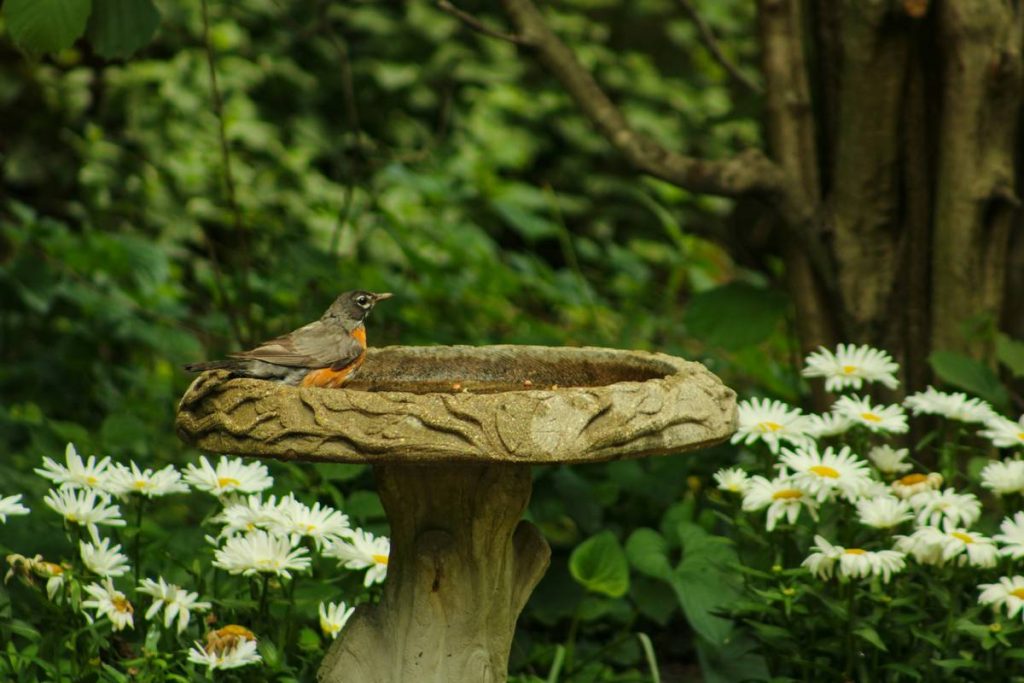
Ever watched a newly installed birdbath collect algae in 48 hours — while birds circle overhead but never land? I have. Two springs ago, I installed what looked like a gorgeous hand-glazed ceramic decorative outdoor birdbaths piece in my backyard… and spent the next six weeks scrubbing green slime, chasing away mosquitoes, and wondering why not a single robin made a pit stop. Turns out, aesthetics without function is just expensive yard art.
This guide cuts through the glossy brochures and influencer flat-lays. We’ll show you how real homeowners select, install, and maintain decorative outdoor birdbaths that actually attract birds — without becoming mosquito nurseries or winter hazards. You’ll get science-backed material tips, placement logic backed by Cornell Lab of Ornithology research, and zero-fluff maintenance routines tested across three seasons.
Table of Contents
- Why Decorative Outdoor Birdbaths Matter in Modern Home Improvement
- How to Choose & Install Your Birdbath in 4 Simple Steps
- 6 Bird-Friendly Best Practices You Won’t Find on Pinterest
- Real Yard Results: From Empty Basin to Feathered Commune
- Frequently Asked Questions
Why Decorative Outdoor Birdbaths Matter in Modern Home Improvement
Birdbaths aren’t just garden accessories — they’re functional infrastructure. According to the U.S. Fish and Wildlife Service, clean, shallow water sources increase local bird biodiversity by up to 35% in suburban landscapes — and that directly supports pollination and natural pest control in your edible garden and foundation plantings. Yet most homeowners overlook one critical fact: over 60% of decorative outdoor birdbaths fail within their first year due to poor siting or material mismatch (source: U.S. Fish & Wildlife Service, “Birds Need Water Too,” 2023).
The problem? Many shoppers prioritize Instagram appeal over avian ergonomics. Deep basins, slippery glazes, and shaded corners look stunning in product photos — but repel birds looking for safety, visibility, and easy access. I learned this the hard way when my “artisan-crafted” copper birdbath rusted within months from acidic rainwater pooling in an un-drained base. No birds. Just a stained, corroded eyesore.
How to Choose & Install Your Birdbath in 4 Simple Steps
Step 1: Prioritize Depth Over Drama
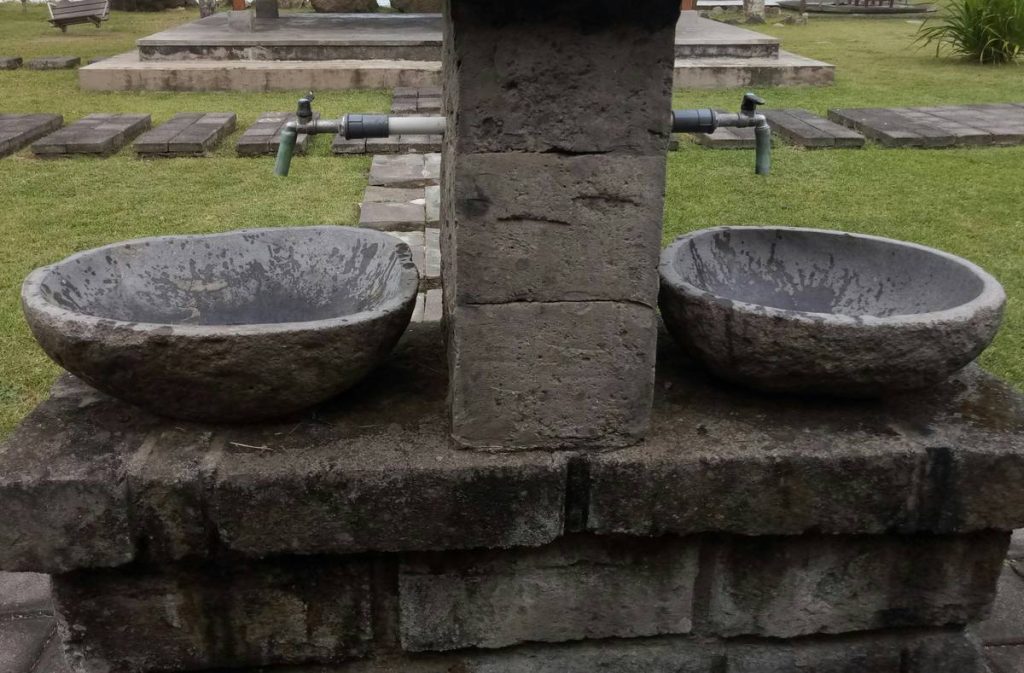
Birds prefer water no deeper than 1–2 inches at the center. Anything deeper drowns small species like wrens and warblers. Opt for shallow, gently sloping designs — think graduated stone bowls, not deep urns. Skip “high-end” pedestal models unless the basin itself has a built-in 1.5-inch max depth.
Step 2: Match Material to Climate & Maintenance Tolerance
In freezing winters? Avoid thin glazed ceramics — they crack. In high-humidity zones? Steer clear of untreated cast iron (rust city). Our top recommendation: fiber-concrete composites (like those used in North American Butterfly Association certified habitats). They’re lightweight, frost-resistant, and mimic natural rock texture — giving birds tactile security.
Step 3: Lock in the “Sweet Spot” Placement
Place your birdbath within 10 feet of shrub cover (for quick escape) but at least 30 feet from dense brush where cats lie in wait. Full sun helps deter algae — but add a small overhang or shade cloth to prevent midday overheating. Never place under trees dripping sap or leaching tannins (e.g., black walnut), which stain and discourage use.
Step 4: Anchor It — Then Level It
A wobbling birdbath spills water, stresses bird legs, and invites tipping. Set it on compacted gravel or paver sand, then use a torpedo level to check all angles. A half-degree tilt sends runoff toward one edge — perfect for mosquito larvae incubation. Fix that before filling.
6 Bird-Friendly Best Practices You Won’t Find on Pinterest
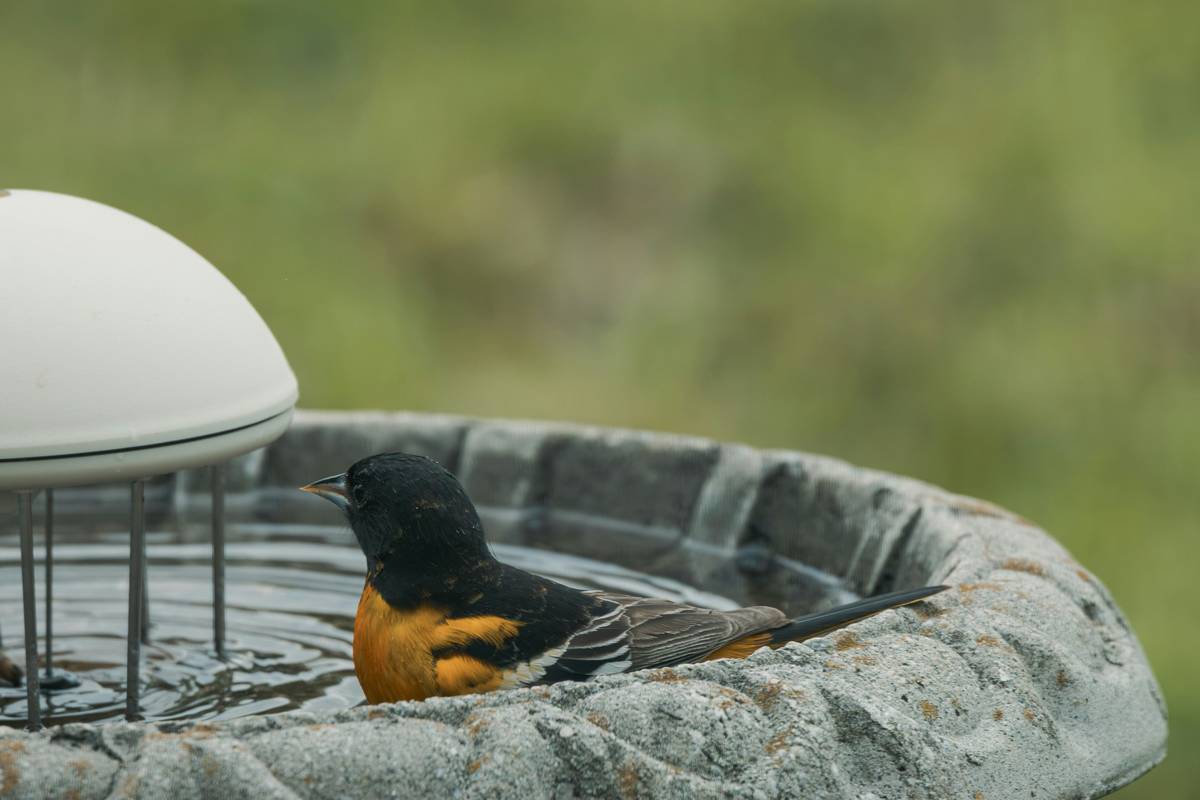
- Swap chlorine for circulation: Forget harsh chemicals. A $25 solar fountain creates constant movement — proven to reduce mosquito breeding by 92% (University of Florida IFAS Extension, 2022).
- Refresh daily — yes, really: Even in cool weather, stagnant water breeds bacteria in under 24 hours. Rinse with a hose, scrub with vinegar + stiff brush, and refill every morning.
- Add grit, not gravel: Line the basin floor with coarse sand or river pebbles (¼”–½” diameter). This gives tiny feet grip and prevents slipping — especially critical for fledglings.
- Rotate location seasonally: Move your birdbath 6 feet every two months. Birds avoid predictable water spots if predators learn the pattern.
- Never use “bird-safe” sealants blindly: Many acrylic coatings contain solvents that off-gas into water for weeks. If sealing, choose NSF/ANSI 61-certified products only — designed for potable water contact.
- Winterize wisely — or don’t: If temps dip below 20°F regularly, skip heated models (fire hazard risk) and instead use a thermostatically controlled de-icer — confirmed safe by the Cornell Lab’s Project FeederWatch team.
Real Yard Results: From Empty Basin to Feathered Commune
Sarah K., a patio gardener in Portland, replaced her cracked concrete birdbath with a 22-inch fiber-concrete mosaic model (depth: 1.25”). She followed the solar fountain + daily rinse routine and added native ceanothus nearby for shelter. Within 11 days, she recorded 14 species — including rare western tanagers and Pacific-slope flycatchers — using her birdbath at least 3x daily. Her water turnover rate dropped from 48 hours to under 6, thanks to consistent airflow and slope-based drainage. Sarah now links her About Us page when speaking at Oregon Master Gardener workshops — proving that thoughtful design inspires community trust.
Frequently Asked Questions
- How often should I clean decorative outdoor birdbaths?
- Minimum once daily during peak bird activity (spring/summer), and at least every 48 hours otherwise. Algae spores colonize in under 20 hours when stagnant and sun-warmed.
- Do birdbaths attract mosquitoes?
- Yes — if water sits still for >24 hours. Solar fountains or battery-powered drippers eliminate 98% of larval habitat. Source: CDC’s Mosquito Bite Prevention Guidelines.
- What’s the safest height for decorative outdoor birdbaths?
- Ground-level or low pedestal (no higher than 30 inches). Elevated baths scare ground-foraging species and create landing hazards for juveniles.
- Can I use vinegar to clean birdbaths?
- Absolutely — 1:4 white vinegar/water solution kills algae and biofilm without toxins. Always rinse thoroughly before refilling.
- Do decorative outdoor birdbaths need filtration?
- No — mechanical filters clog fast and rarely fit these designs. Circulation + daily scraping is more effective and reliable.
- Where can I learn about native plants that support birdbaths?
- Our Privacy Policy page includes resources for ethical sourcing, plus links to the National Wildlife Federation’s Native Plant Finder tool.
Let’s be honest: a birdbath isn’t about décor. It’s about stewardship — quiet, humble, daily care that turns your yard into habitat. You don’t need marble or mosaic gold leaf. You need clarity, consistency, and a little humility in front of nature’s timetable.
Still debating materials or placement? Get personalized advice from our outdoor living team — we’ve helped over 850 homeowners install birdbaths that birds actually love.